Photographing for Yourself
Photography today lives in a strange place. The moment we press the shutter, many of us are already thinking about what will happen next: the edit, the post, the reaction. The photograph goes online, and then the quiet waiting begins. Likes appear slowly, sometimes quickly, sometimes not at all. Comments come or don’t come. Somewhere in the back of your mind, the numbers start to become a kind of scorecard.
It’s easy to fall into the trap of believing that those numbers define the success of the photograph.
If a photo gets a lot of attention, it feels like validation. If it doesn’t, it can feel like failure. The strange thing about this system is that it quietly changes how we see our own work. Instead of asking whether a photograph meant something to us, we begin asking whether it meant something to an algorithm.
But photography existed long before social media, and its purpose was never meant to be measured in hearts or thumbs.
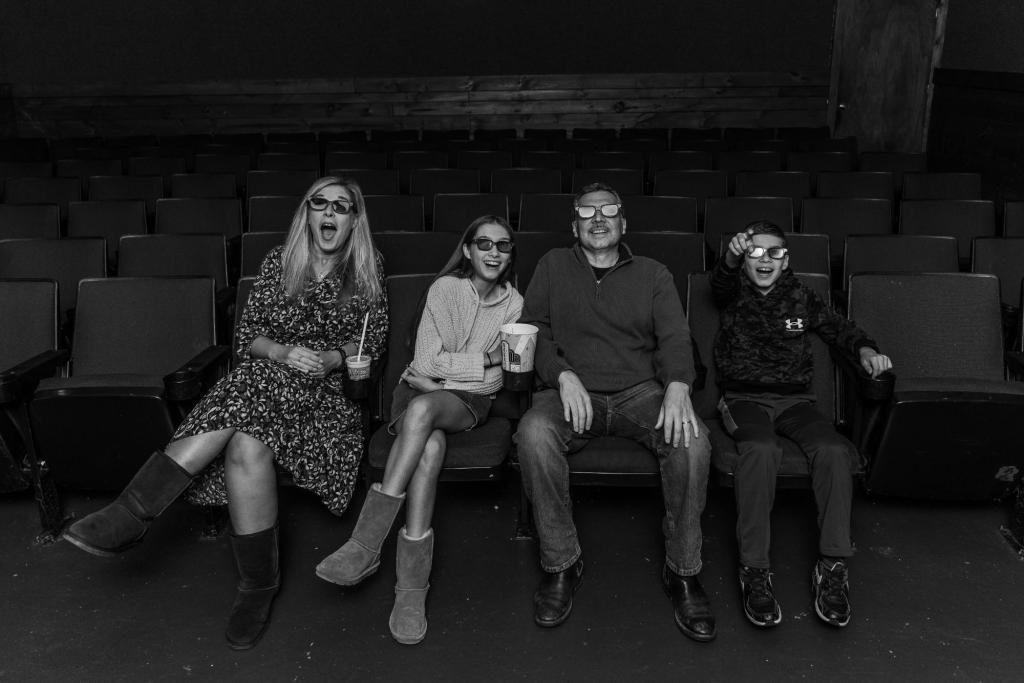
Some of the photographs that matter most are the ones that never receive much attention at all. They’re the quiet images — the ones taken because something about the moment felt worth preserving. A particular light falling across a street. A look on someone’s face that lasted only a second. A place that may not exist in the same way tomorrow.
Those photographs may never become popular. They may never travel far beyond the photographer who took them. But that doesn’t make them unsuccessful.
In fact, the opposite might be true.
Social media encourages us to compare constantly. We see incredible images from photographers all over the world, often presented in a steady stream of perfection. It’s easy to forget that what we’re seeing is only a tiny, curated slice of someone else’s work. When we measure ourselves against that endless flow, doubt creeps in quietly.
Was that photo good enough?
Why didn’t anyone react to it?
Did I miss something everyone else sees?
Every photographer, at some point, wrestles with those questions.
But the truth is that photography has always been deeply personal. Long before there were followers or likes, photographers carried cameras because they wanted to notice the world more carefully. They photographed moments that meant something to them, even if those moments meant nothing to anyone else.
The most popular photograph isn’t always the most successful one.
Sometimes the most successful photograph is simply the one that made you stop and pay attention.
It’s the image that reminds you why you picked up the camera in the first place.
It’s the moment when you realize that photography isn’t only about sharing something with the world — it’s also about seeing the world differently yourself.
That shift in perspective is easy to lose when everything is measured publicly. But the camera doesn’t care about metrics. It only cares about the moment in front of you.
And maybe that’s a good reminder.
Not every photograph needs an audience.
Not every photograph needs approval.
Some photographs are meant only for the person who made them.
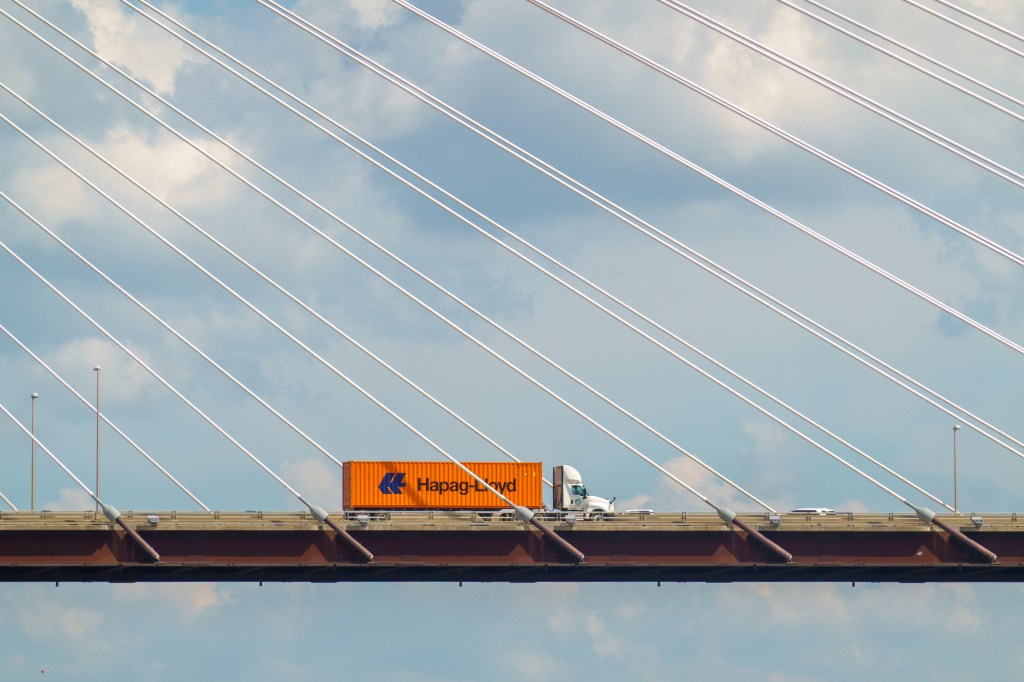
Always shoot for yourself first. If others like it, that’s great. But the one person you should never disappoint is the photographer behind the camera.
 Alphawolff Journal
Leave a comment